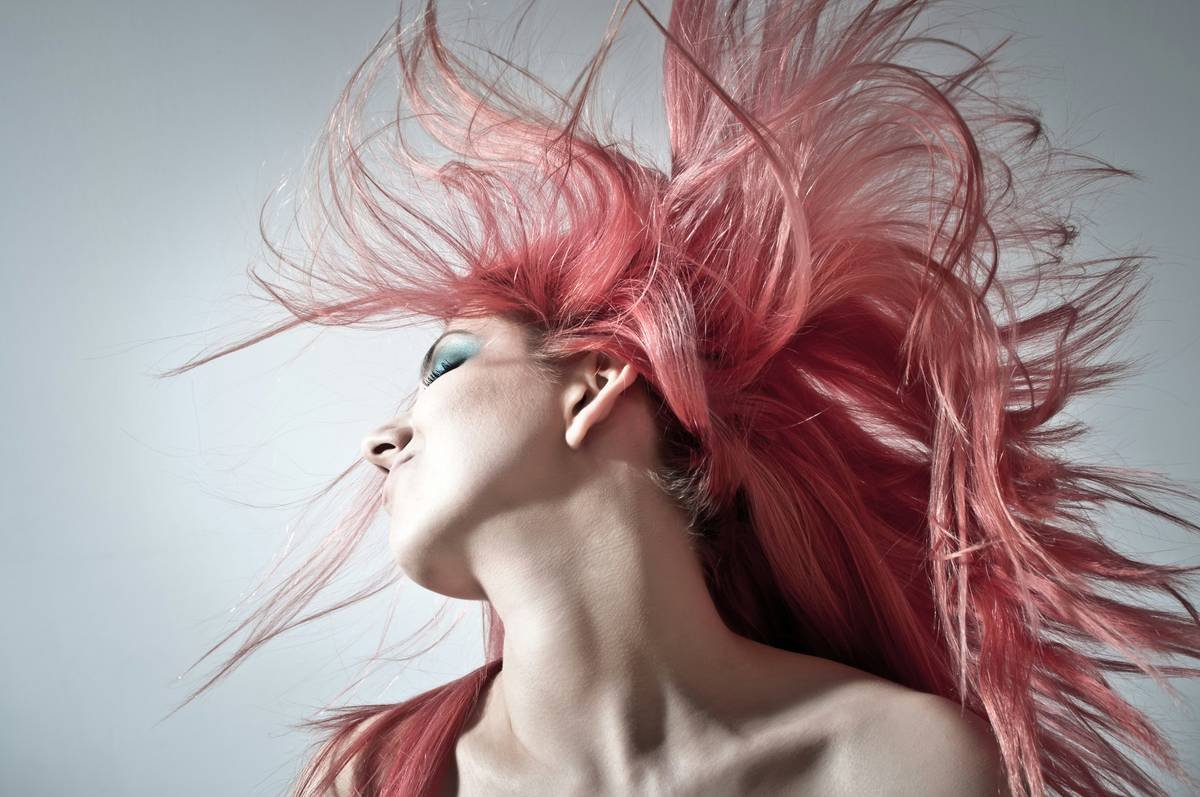
You’re halfway through downward dog—sweat beads on your temples—and your hair slaps you in the face. Again. Standard ponytails slip. Clips pinch. Headbands migrate south by the second sun salutation. It’s not just annoying; it breaks your focus, your rhythm, your vibe. But what if your hairstyle could move *with* you—not against you? Enter sporty hair yoga design: engineered for motion, breath, and zero distractions.
Why Your Go-To Hairstyles Fail During Yoga
Most “yoga hairstyles” are borrowed from gym culture. Big mistake. Yoga demands micro-movements—gentle twists, sustained holds, inverted flows—that expose every weak point in a basic bun or braid. Elastic bands dig in during shoulder stands. Loose strands cling to damp skin in savasana. And forget about humidity resistance.
Standard accessories aren’t designed for the heat-humidity-sweat trifecta of a 90-minute vinyasa class. They’re made for treadmills, not triangle pose.
Sporty Hair Yoga Design: A Step-by-Step System That Stays Put
This isn’t about slapping on another scrunchie. It’s a three-layer strategy: grip, structure, and finish. Get all three right—and you’ll forget your hair exists.
Layer 1: The Base Anchor (Grip Without Tension)
Ditch plastic-coated elastics. They snap, slide, and leave creases. Use spiral hair ties or silicone-grip loops—they distribute pressure evenly. Apply to dry or lightly damp hair. Never soak-wet; that invites slippage as you heat up.
Layer 2: Structural Support (Low-Bulk, High-Hold)
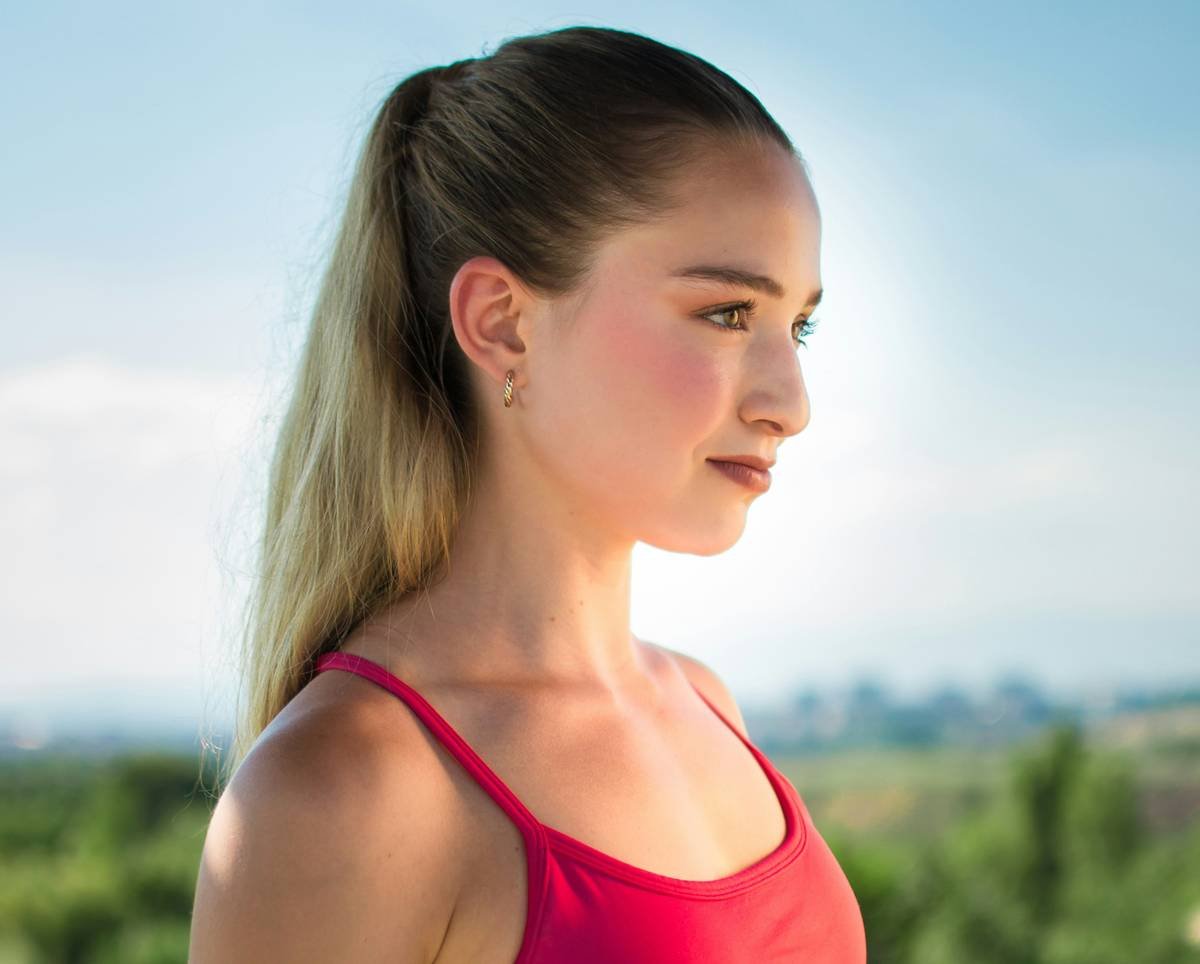
For flowing styles, opt for Dutch braids anchored at the nape—not crown. For static poses (think yin or restorative), a twisted low knot secured with U-pins works better than any clip. Key: keep volume close to the scalp. Bulk = bounce = distraction.
Layer 3: Finish Lock (Sweat + Humidity Shield)
A light mist of flexible-hold spray *before* styling seals cuticles. Post-style, use a matte texturizing powder at the roots to absorb moisture without stiffness. Avoid waxes—they melt under studio lights.
| Method | Hold Duration | Sweat Resistance | Best For |
|---|---|---|---|
| Spiral Tie + Low Twist Knot | 90+ mins | ★★★★☆ | Hot yoga, power vinyasa |
| Double Dutch Braid | 60 mins | ★★★☆☆ | Flow sequences, arm balances |
| Headband + Ponytail Combo | 30-45 mins | ★★☆☆☆ | Gentle hatha, meditation |
| Bare Minimum (Loose Bun) | <30 mins | ★☆☆☆☆ | Not recommended—fails fast |
The Industry Secret: Texture > Tightness
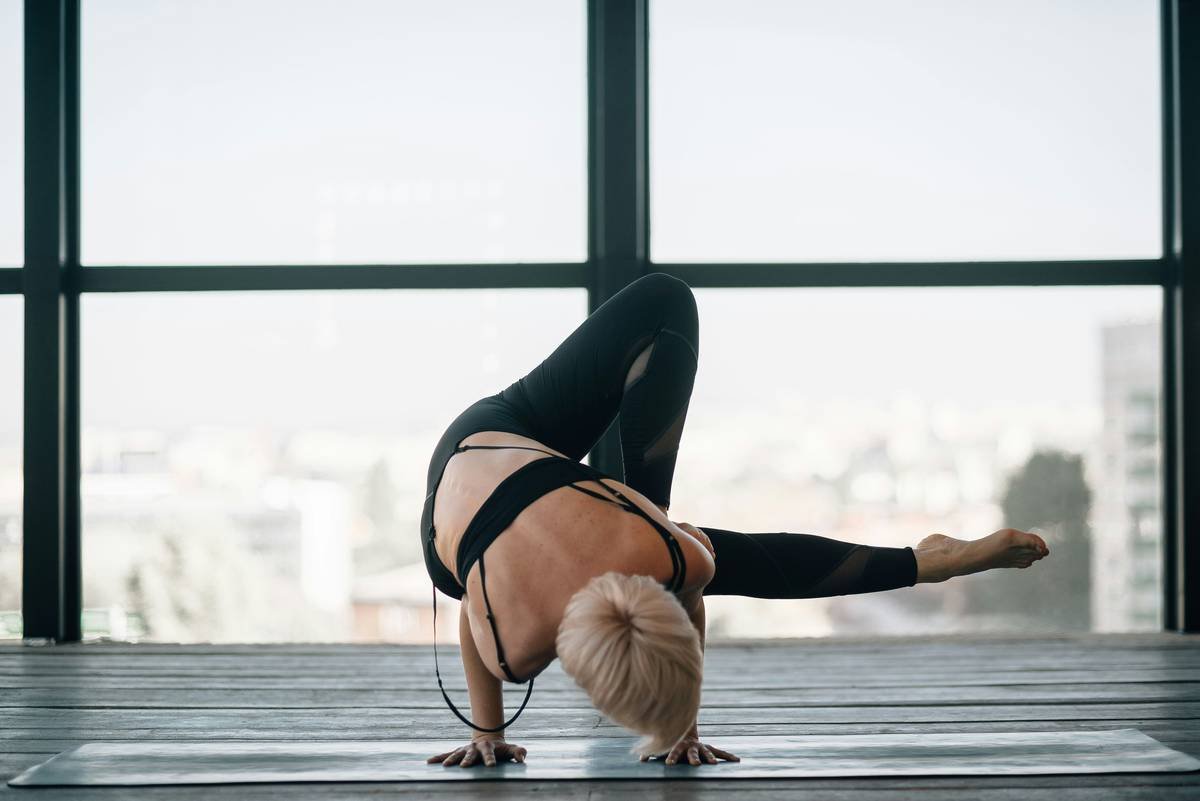
Here’s what no brand tells you: over-tightening causes more slippage long-term. When hair is pulled taut, sweat pools underneath, creating a slick film that pushes pins out. Pros prioritize *texture*—not tension. Light backcombing at the anchor point gives silicone grips something to latch onto. And a dab of aloe-based gel (not flaxseed) adds tackiness without crunch. The math is simple: grip = surface friction × micro-lift—not brute force.
And yes—it works even on fine, straight hair. You just skip the oil-based serums pre-class.
Frequently Asked Questions
Can I do a sporty hair yoga design with short hair?
Yes. Use mini claw clips with rubberized grips and spray roots with texturizing mist for hold. Keep layers above the jawline clear of loose ends.
How often should I wash hair before yoga to maintain hold?
Day-two hair offers optimal grip. Freshly washed hair is too slippery; day-three may lack structure. If you must wash, use a sulfate-free cleanser and skip conditioner below the ears.
Are fabric hair ties better than silicone for yoga?
Fabric stretches and absorbs sweat—then sags. Silicone maintains shape and repels moisture. For sporty hair yoga design, silicone wins every time.

